



Settling into a new home shifts daily rhythms fast, and clothing often adjusts before furniture does. Loungewear trends now shape how people feel grounded during those early weeks indoors. Soft layers support rest, focus, and calm without sacrificing appearance. At home comfort no longer signals withdrawal; it signals intention and ease. Clothing becomes part of how people claim ownership of their space.
Creating A Calm Base For Daily Routines
Early days in a new space demand a balance between unpacking, resting, and regaining structure. Clothing that feels supportive helps establish steady habits indoors. A consistent outfit routine reduces decision fatigue during adjustment. Comfort becomes a tool for smoother transitions. Familiar textures offer stability during change. Predictable clothing choices remove small daily stressors. Calm routines support better focus. Clothing becomes part of the daily rhythm.
Styling Comfort Around A Relaxing Reading Nook
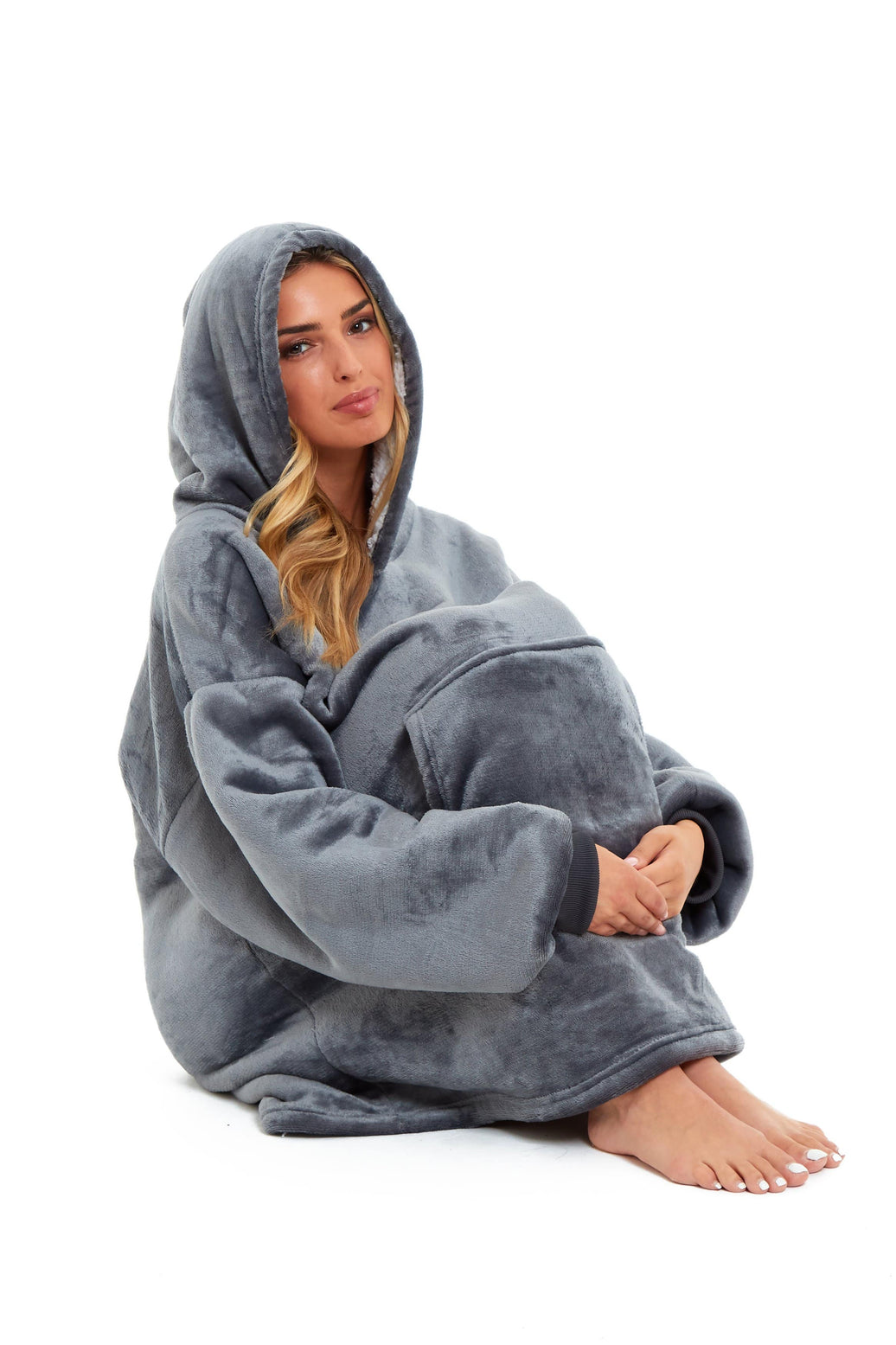
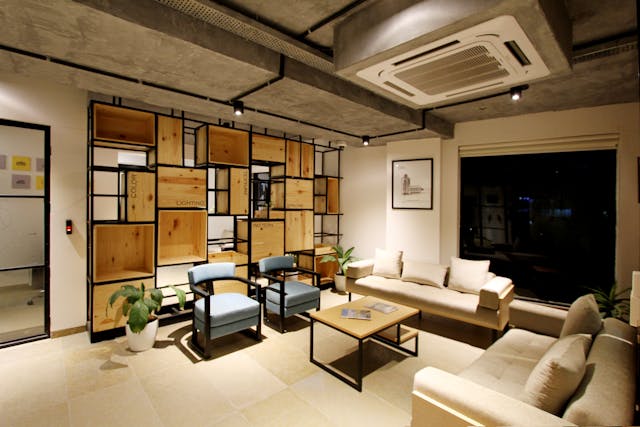
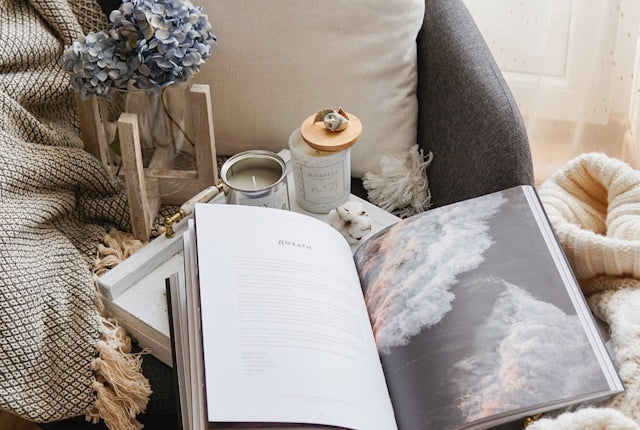
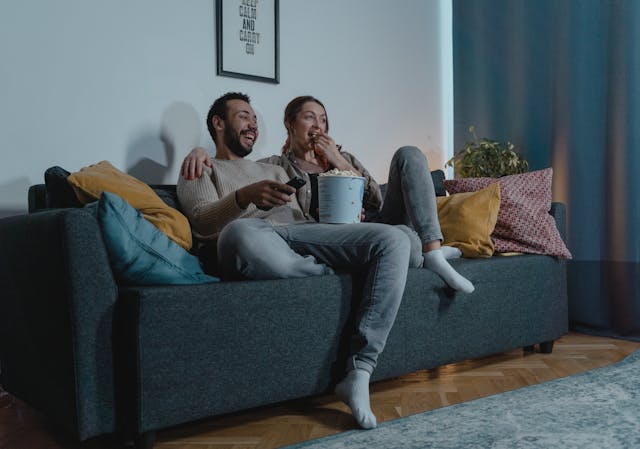
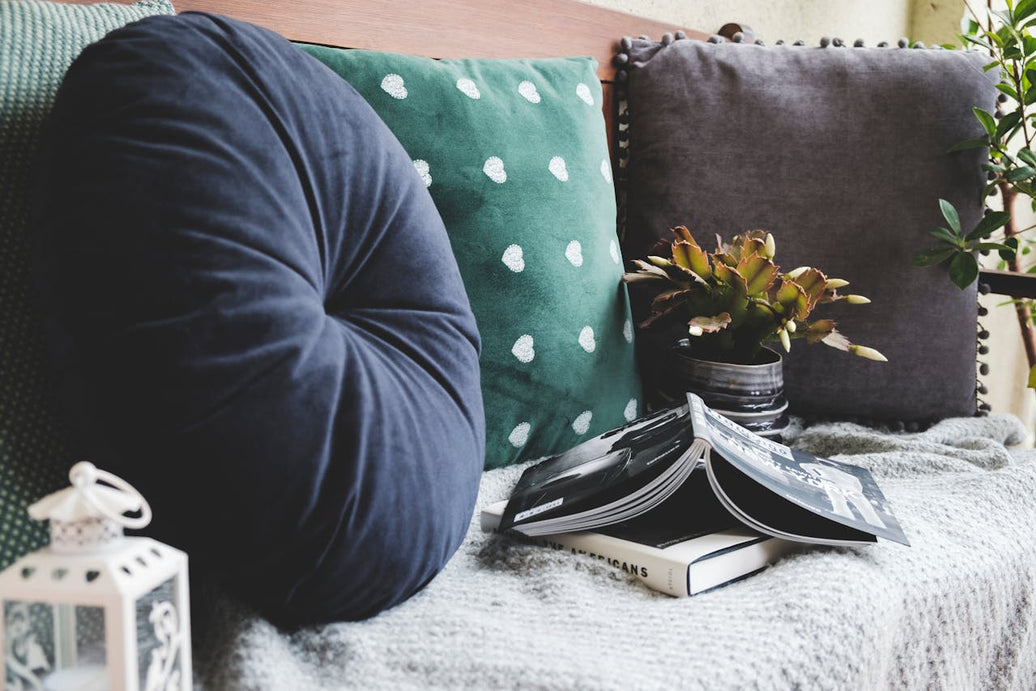
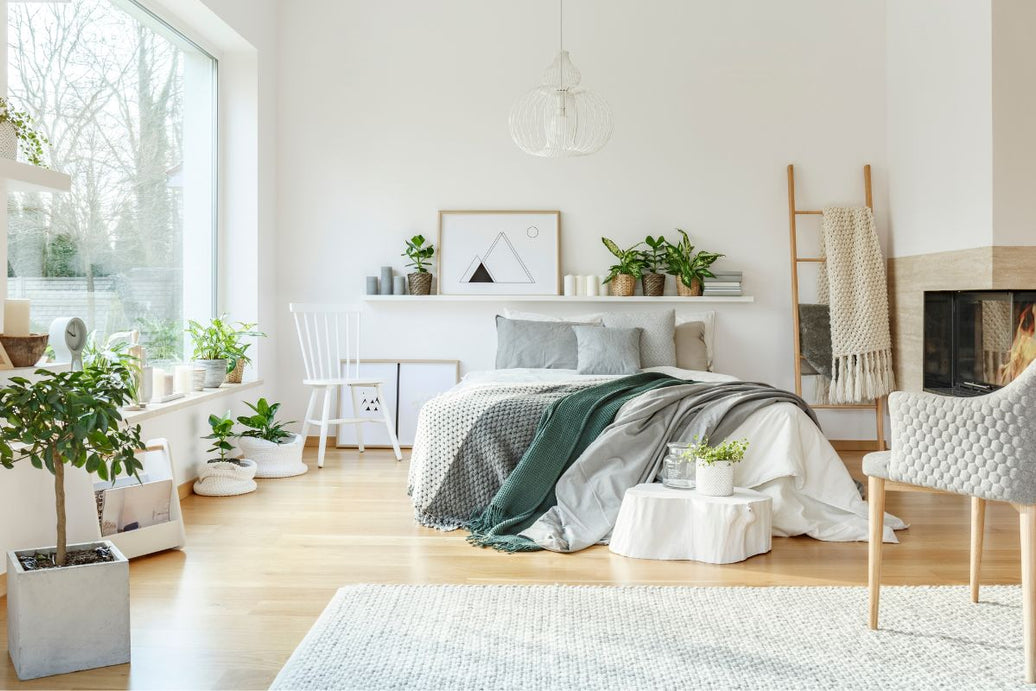
Quiet corners invite slower moments once boxes move aside. Relaxing reading nook setups pair best with soft fabrics that encourage stillness. Loose silhouettes support long sitting without stiffness. The right outfit extends the comfort of the space itself. Reading posture improves when clothing does not restrict movement. Breathable fabrics prevent restlessness. Soft layers maintain warmth during long sessions. Clothing supports immersion without distraction.
Dressing Smart While Relocating
Fast moves compress planning, travel, and unpacking into a single stretch. Relocating in one day leaves little room for outfit changes or fuss, especially when a moving company handles the heavy lifting and coordination. Breathable loungewear handles temperature shifts and movement with ease while professionals manage the logistics. Comfort clothing becomes practical gear during long transitions. Stretch prevents strain as movers take care of large items.
Fabric Choices Shape First Impressions At Home
The textures worn daily influence how a space feels. Natural fibers regulate temperature better during long indoor hours. Synthetic blends add stretch without weight. Fabric selection affects both comfort and confidence at home. Soft materials reduce physical tension. Poor fabric choices distract from settling tasks. Gentle textures support relaxation. Clothing shapes first impressions of daily life.
Understanding Why Texture Matters Indoors
Touch influences mood even before design elements register. Why texture matters becomes clear when rough seams distract, or soft knits relax muscles. Smooth surfaces reduce irritation during long wear. Texture directly shapes how restful home time feels. Tactile comfort improves focus. Skin response affects emotional calm. Consistent softness supports relaxation. Texture influences how long clothing stays on.
Neutral Palettes Support Visual Calm
Color plays a quiet role in daily comfort. Soft neutrals reduce visual noise during unpacking phases. Muted tones blend easily with evolving interiors. Clothing that aligns with surroundings reinforces a settled feeling. Neutral colors lower sensory strain. Visual simplicity improves concentration. Clothing blends into daily routines. Calm palettes support mental clarity.
Fit Balances Ease And Structure
Oversized garments promise comfort but can limit movement if poorly shaped. Thoughtful cuts allow airflow while keeping form. Waistbands that flex without digging support long wear. Balanced fit keeps loungewear polished indoors. Proper fit prevents constant adjustment. Structure supports confidence. Clothing stays functional throughout the day. Comfort improves when fit feels intentional.
Layering For Changing Indoor Temperatures
New homes reveal temperature quirks over time. Layered loungewear adapts without wardrobe changes. Cardigans and wraps offer quick adjustments. Flexible layers reduce reliance on heating or cooling. Layering supports comfort across rooms. Temperature control improves productivity. Clothing adapts faster than climate systems. Small adjustments prevent discomfort.
Materials That Handle Daily Wear
Loungewear faces frequent washing during early routines. Durable fabrics retain shape through repeated cycles. Pilling resistance keeps garments presentable longer. Quality materials support consistent comfort. Strong fibers extend garment life. Fewer replacements reduce clutter. Clothing remains reliable over time. Durability supports daily routines.
Casual Sets Create Visual Order
Matching tops and bottoms simplifies outfit choices. Coordinated sets look intentional with minimal effort. This structure helps mornings feel organized. Visual order supports mental clarity at home. Sets reduce decision fatigue. Consistent appearance boosts confidence. Clothing feels complete instantly. Order supports calm mornings.
Stretch Supports Movement Between Tasks
Home life blends sitting, lifting, and walking. Stretch fabrics move with the body across tasks. Flexibility prevents strain during unpacking or cleaning. Movement stays smooth without outfit changes. Stretch improves comfort during transitions. Reduced restriction supports mobility. Clothing adapts to varied positions. Ease improves endurance.
Breathability Improves Focus
Overheating distracts during long indoor hours. Breathable weaves allow airflow and reduce discomfort. Cooler skin improves concentration. Comfort clothing supports productivity at home. Breathability prevents fatigue. Temperature balance supports alertness. Clothing affects work efficiency. Comfort enables sustained focus.
Lounge Pieces That Transition Easily
Some days require quick video calls or doorstep interactions. Polished loungewear handles brief public moments. Clean lines and solid colors maintain credibility. Comfort does not require isolation. Transitional pieces support flexibility. Clothing avoids rushed outfit changes. Appearance remains composed. Ease supports confidence.
How Loungewear Trends Reflect Lifestyle Shifts
Remote work and flexible schedules changed clothing priorities. Loungewear trends now reflect longer home hours with refined design. Comfort pairs with appearance more intentionally. Clothing mirrors how homes function today. Lifestyle shifts demand adaptable clothing. Home wear now serves multiple roles. Design responds to daily needs. Comfort supports modern routines.
Texture Contrast Adds Depth
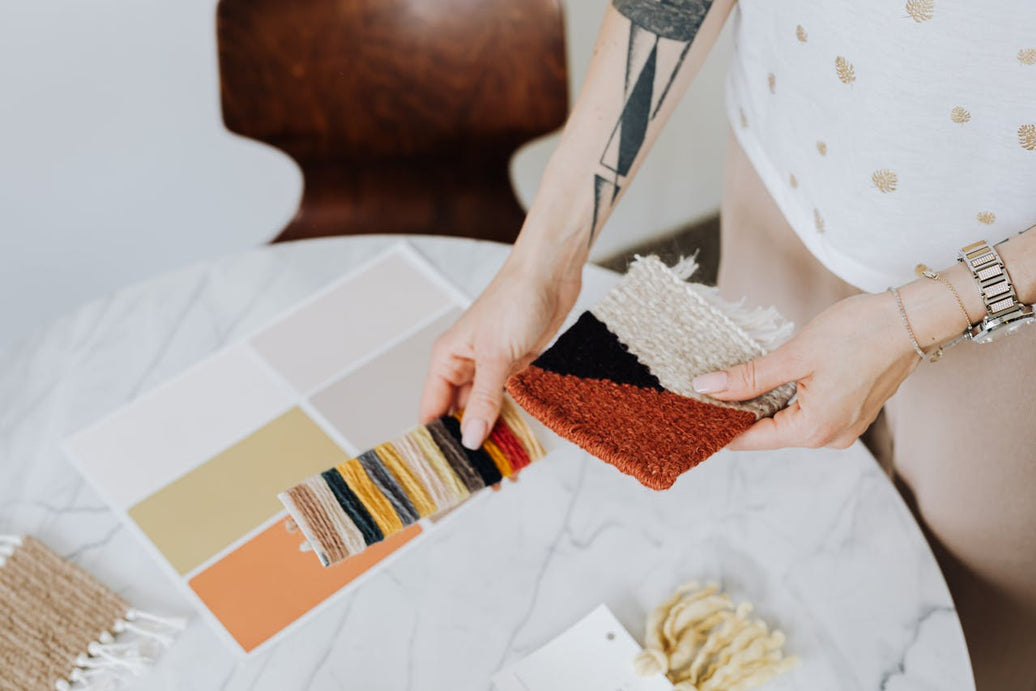
Mixing smooth and knit surfaces keeps outfits interesting. Contrast prevents flat visual impressions. Subtle variation adds depth without excess. Texture balance keeps loungewear engaging. Visual interest supports confidence. Clothing avoids monotony. Contrast enhances personal style. Depth improves wear satisfaction.
Supporting Rest With Hotel Quality Sleep
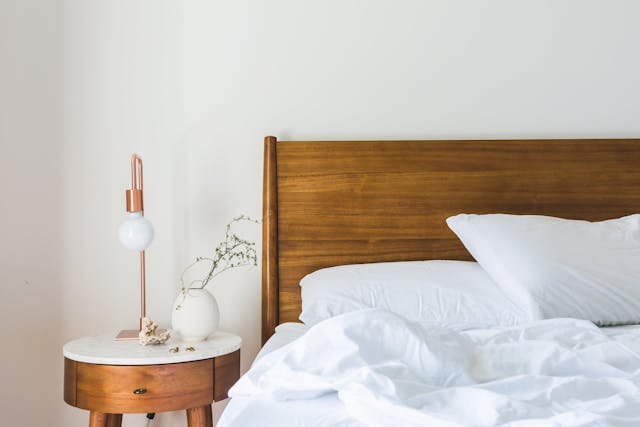
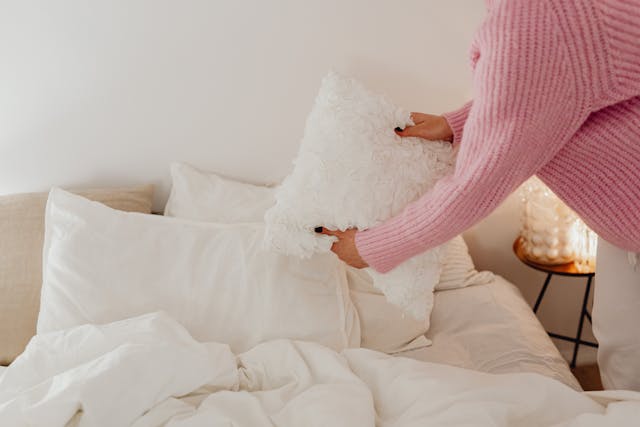
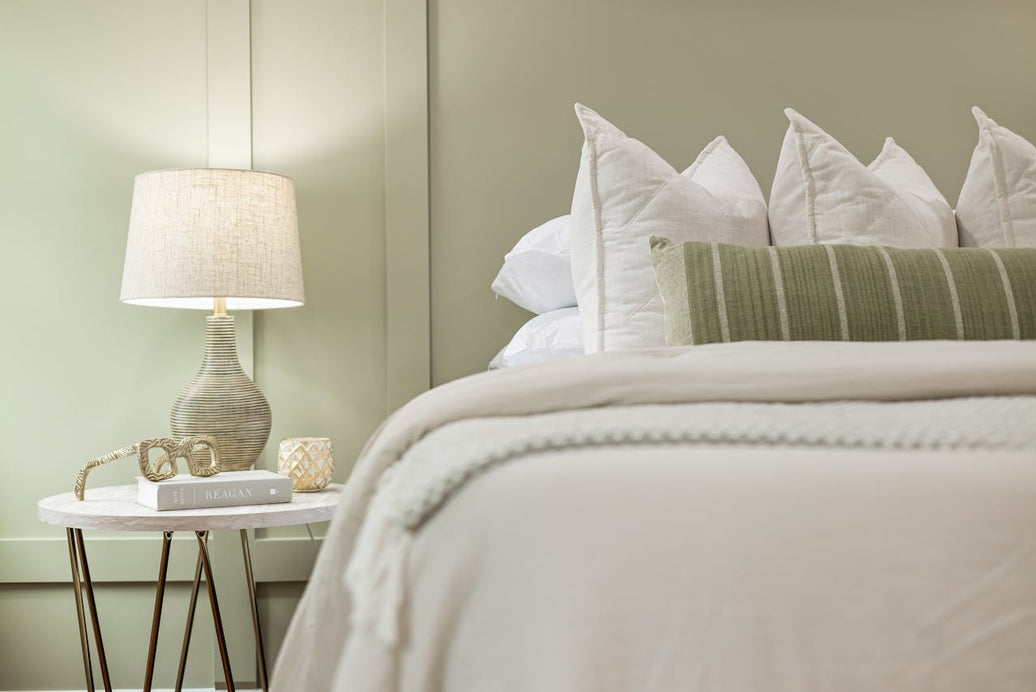
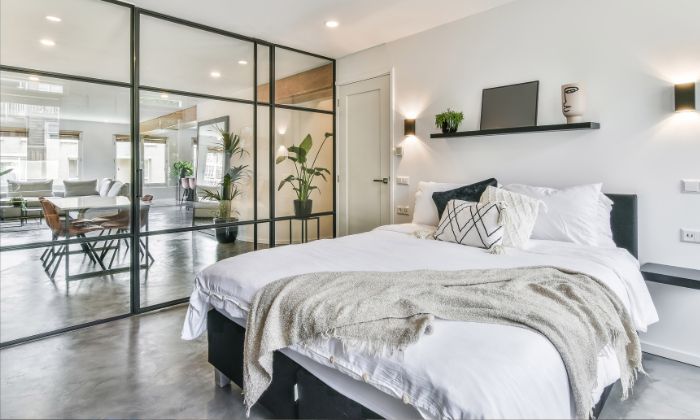
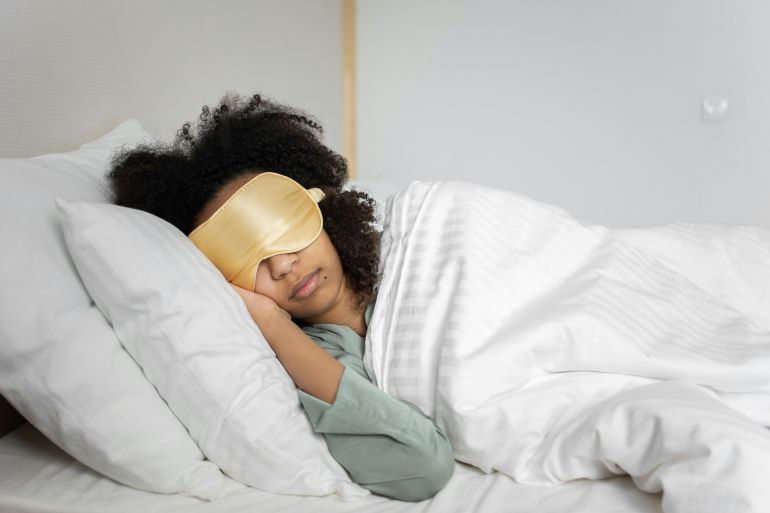
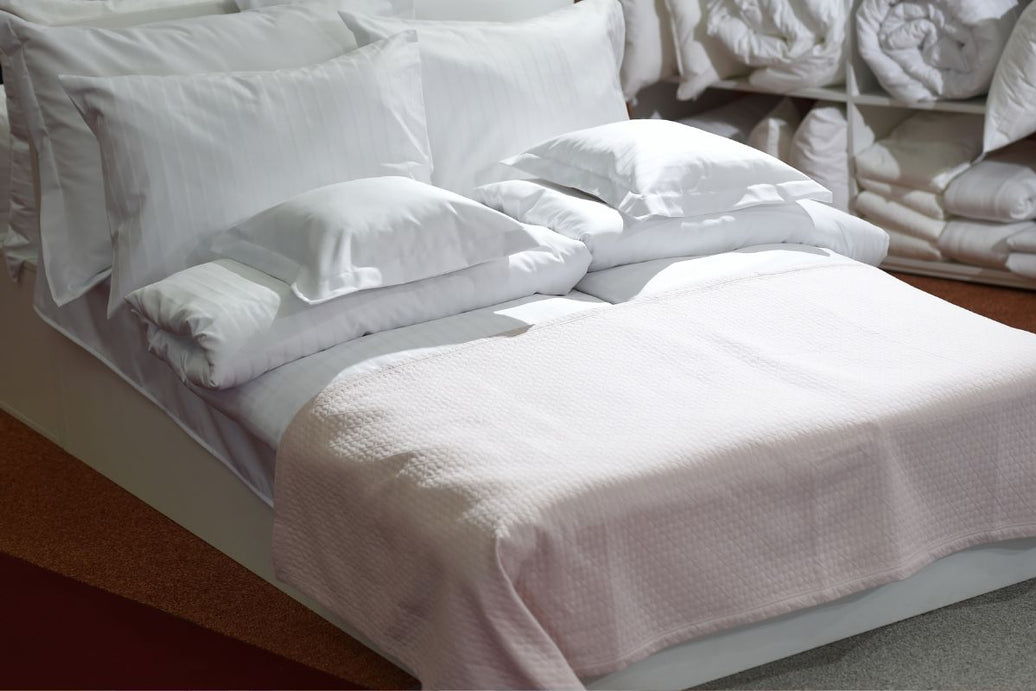
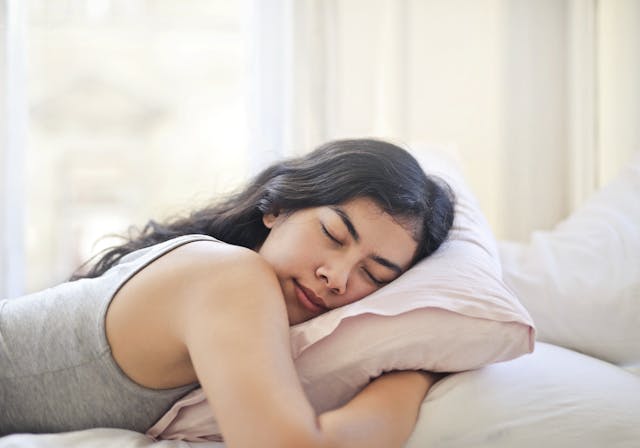
Sleep patterns often shift after a move. Hotel-quality sleep at home starts with breathable sleepwear that manages heat. Lightweight fabrics reduce night discomfort. Better rest improves adjustment and daily focus. Comfortable sleepwear supports deeper rest. Reduced irritation prevents waking. Temperature balance improves sleep cycles. Rest supports emotional stability.
Sustainable Choices Support Daily Use
Eco-conscious fabrics often feel softer against the skin. Responsible production aligns with slower home routines. Longevity reduces replacement frequency. Sustainability supports both comfort and values. Ethical choices build satisfaction. Quality reduces waste. Comfort aligns with intention. Clothing supports mindful living.
Loungewear As Emotional Reset
Clothing signals rest after demanding days. Changing into loungewear marks personal time clearly. This boundary helps mental recovery. Comfort clothing supports emotional balance. Rituals reinforce calm. Clothing separates work from rest. Soft textures reduce stress. Comfort aids recovery.
Comfort That Looks Considered
A new home deserves clothing that supports rest and confidence. Loungewear trends now blend ease with thoughtful design for daily living. Comfort shapes how people settle, sleep, and focus indoors. The right choices help a house feel like home faster. Clothing supports emotional grounding. Consistency builds familiarity. Comfort strengthens routines. Home life feels intentional.


Leave a comment