







Bedding Choices That Support Better Sleep In Any Climate
Sleep quality often depends on small details that people overlook, and bedding plays a central role in that experience. The right materials help regulate temperature, manage moisture, and support comfort across seasons. Many people struggle with overheating in summer or feeling too cold in winter, which disrupts rest. Choosing bedding with the climate in mind can solve these issues in a direct way. Soft textures and breathable fabrics improve how the body relaxes at night. Thoughtful bedding decisions support better sleep in any climate, regardless of where you live.
Understanding How Bedding Affects Comfort
Bedding works as a system that interacts with body temperature, humidity, and airflow. Sheets, blankets, and pillows each play a specific role in sleep comfort. People often focus only on mattress quality, but fabric choice matters just as much. Cotton, linen, and bamboo offer different benefits that affect how heat moves across the body. Good airflow prevents sweating and helps maintain a stable temperature. Many homeowners try to design a bedroom that promotes better sleep naturally. They often start with lighting or furniture, but bedding offers a faster and more direct impact. A well-matched bedding setup supports deeper and longer sleep.
Adjusting Bedding For Seasonal Changes
Weather changes require adjustments in bedding to maintain comfort. Lightweight fabrics work better during warm months, while thicker layers help during cold periods. People often ignore seasonal shifts, which leads to poor sleep quality. Simple changes in sheets or blankets can improve rest without major expense. The key is adjusting to new weather conditions. Breathable sheets reduce overheating on summer nights. Warmer duvets create insulation during winter nights. These adjustments keep the body in a stable state that supports continuous sleep.
Choosing Breathable Materials For Warm Climates
Warm climates demand bedding that promotes airflow and reduces heat retention. Natural fibers such as cotton and linen allow air to circulate around the body. These materials absorb moisture and dry quickly, which prevents discomfort. Synthetic fabrics often trap heat and lead to sweating during the night. A lighter weave also helps improve ventilation and keeps the skin cool. People who sleep hot should avoid heavy layers that block airflow. Choosing breathable bedding improves comfort and supports uninterrupted rest in warm environments.
Layering Techniques For Cold Environments
Cold climates require a different approach that focuses on warmth and insulation. Layering bedding allows flexibility and better control over temperature. A base sheet provides comfort, while additional blankets add warmth. Many people aim for hotel-quality sleep at home. They achieve this by combining soft sheets with insulating duvets. Wool and flannel materials hold heat and create a cozy sleep environment. Layers can be added or removed based on temperature changes during the night. This approach ensures comfort without overheating.
The Role Of Moisture Control In Sleep Quality
Moisture control is essential for maintaining comfort throughout the night. Sweat can build up and disturb sleep if bedding is not managed properly. Fabrics that wick moisture help keep the body dry and cool. Bamboo and certain cotton blends perform well in this area. Dry bedding reduces irritation and improves overall comfort. It also prevents odors and extends the life of the bedding. Choosing moisture-friendly materials supports a clean and restful sleep environment.
Creating Balance Between Style And Function
A bedroom should feel comfortable while also looking visually pleasing. Bedding contributes to both appearance and function. Colors, textures, and patterns can shape how a space feels. Many people focus on aesthetics while ignoring practical features. A balanced approach supports both comfort and visual appeal. This idea connects with creating a cohesive bedroom. Matching bedding with room design creates a calm and inviting atmosphere. A well-designed space encourages relaxation and better sleep habits.
Selecting The Right Pillow For Climate Comfort
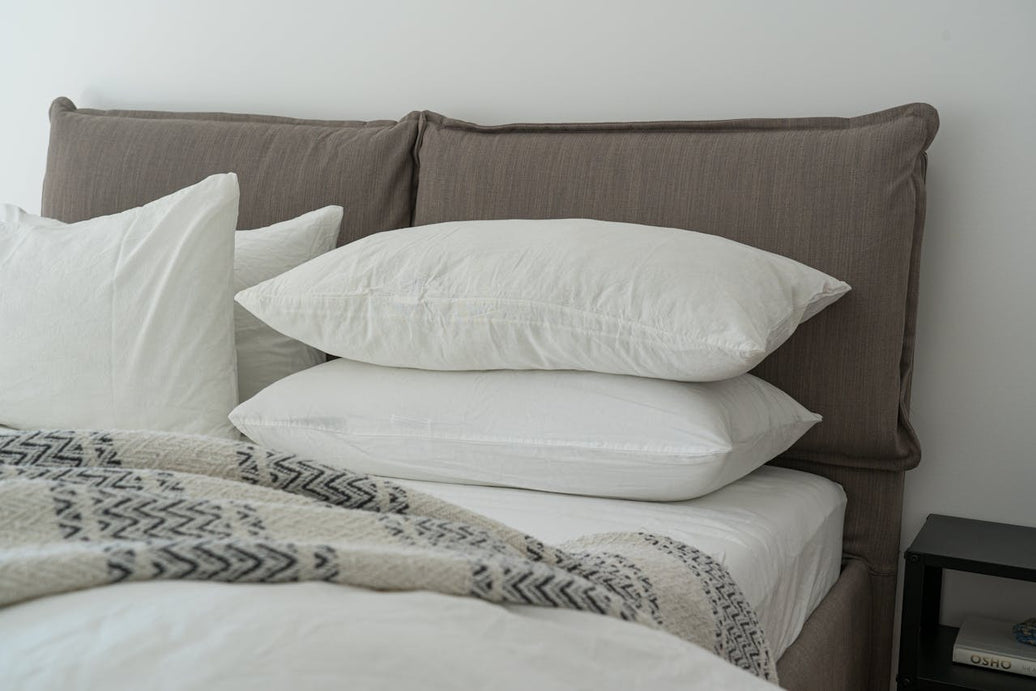
Pillows influence sleep quality more than many people realize. The right pillow supports the head while also managing heat. Memory foam pillows often retain heat, which may not suit warm climates. Down or feather pillows offer better airflow and a cooler feel. Some modern pillows include cooling gels or breathable covers. The goal is to maintain comfort without trapping heat around the head. Choosing the right pillow improves both support and temperature control.
Understanding Thread Count And Fabric Quality
Thread count often appears in bedding descriptions, but it can be misleading. Higher thread count does not always mean better quality or comfort. The type of fabric and weave matters more than the number itself. A lower thread count in breathable cotton can feel cooler than a dense weave. Quality depends on durability, softness, and airflow. Consumers should focus on how the fabric feels rather than marketing claims. Smart choices lead to better comfort and longer-lasting bedding.
How Duvets And Comforters Support Better Sleep In Every Climate
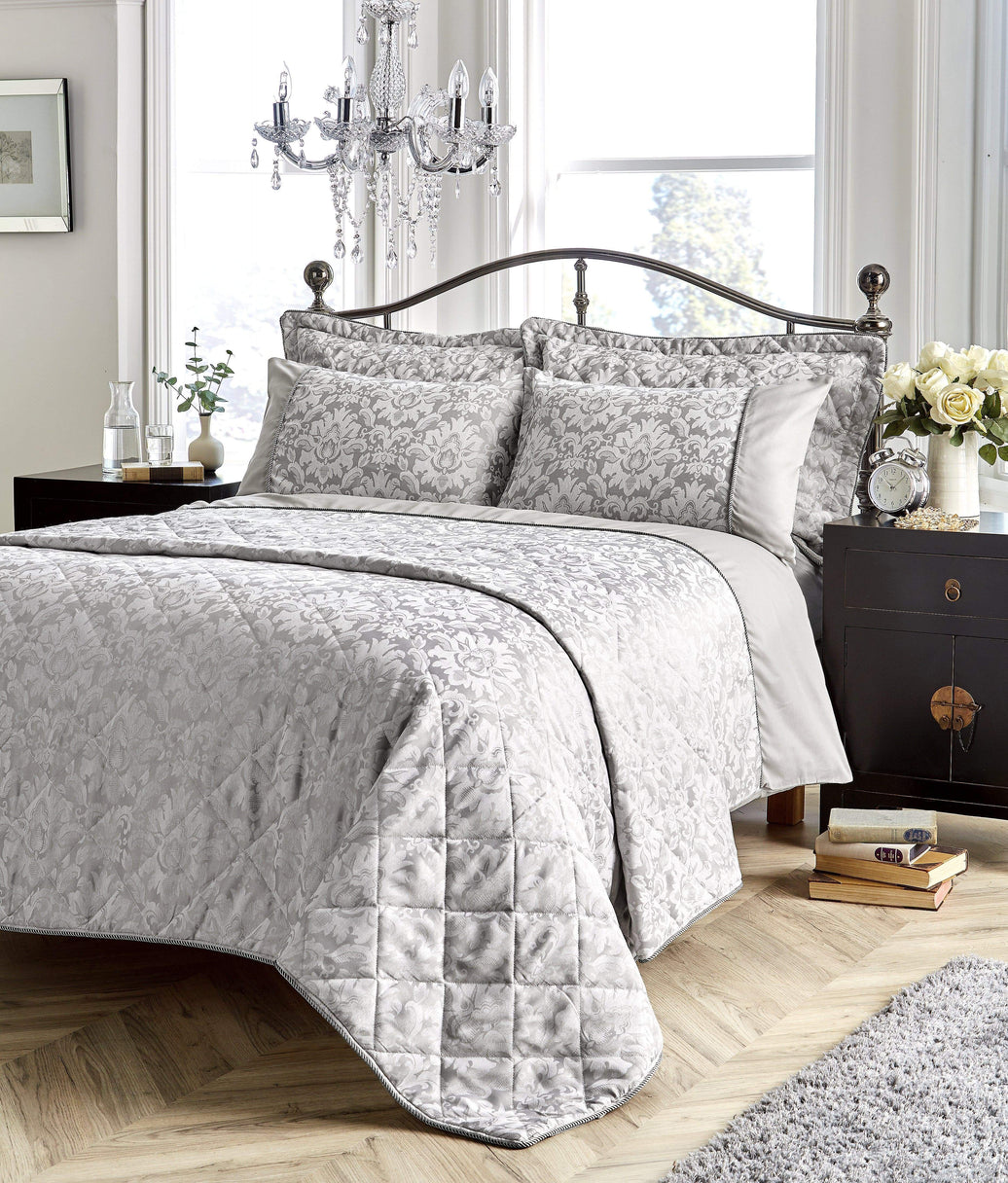
Duvets and comforters act as the main source of warmth in many bedrooms. Their filling determines how they perform in different climates. Down fillings provide warmth without heavy weight, while synthetic fills offer easier maintenance. Some duvets are designed for all-season use with balanced insulation. Choosing the right fill helps maintain a stable temperature through the night. People should consider their local climate and personal comfort preferences. This ensures the bedding supports consistent sleep without discomfort.
The Importance Of Mattress Protectors
Mattress protectors often go unnoticed, yet they play a vital role in sleep hygiene. They protect against spills, dust, and allergens that can disrupt sleep. Some protectors also add a cooling or warming layer to the mattress. Breathable protectors allow airflow and prevent heat buildup. Waterproof options protect the mattress without sacrificing comfort. A good protector extends the life of the mattress and improves cleanliness. This small addition contributes to a healthier sleep environment and supports better sleep in any climate.
Bedding As A Foundation For Restful Nights
Bedding choices directly influence how well the body rests each night. The right materials, layers, and designs create comfort across changing conditions. People who invest in proper bedding often notice immediate improvements in sleep quality. Small adjustments can lead to better temperature control and fewer disruptions. A balanced approach combines function, comfort, and personal preference. These choices support better sleep in any climate and improve overall well-being. With the right setup, every night can feel calm, comfortable, and restorative.













































Leave a comment